




Table of Contents
ToggleHow Modern Road Design Improves Traffic Flow
Traffic congestion costs the world billions of dollars every single year. According to the INRIX Global Traffic Scorecard, drivers in major cities lose an average of 51 hours per year sitting in traffic jams. Modern road design improves traffic flow by addressing the root causes of congestion rather than simply adding more lanes and hoping for the best.
Road design has evolved dramatically over the past three decades. Engineers no longer focus only on how many vehicles a road can physically hold. Today, the focus is on how efficiently vehicles, cyclists, and pedestrians can all move through a space at the same time, with the least amount of conflict and delay possible.
So, let us guide you about the key principles, techniques, and technologies that modern road design uses to keep traffic moving. Every concept covered here is grounded in real engineering practice and backed by measurable outcomes from cities around the world.
Why Old Road Design Created More Problems Than It Solved
For much of the 20th century, road design followed a simple logic: if traffic is congested, build a wider road. This approach, known as capacity expansion, seemed reasonable on the surface. In practice, it consistently failed to deliver lasting relief.
The reason is a well-documented phenomenon called induced demand. When road capacity increases, more drivers choose to use that road. Within a few years, the new lanes fill up just as the old ones did, and congestion returns to the same level or worse. A 2009 study published in the American Economic Review found that a 10% increase in road capacity typically leads to a 10% increase in traffic volume over the long term.
The Shift Toward Systems Thinking in Road Engineering
Modern road engineers approach traffic as a system, not just a collection of individual roads. Every junction, lane width, signal timing, and pedestrian crossing point affects the overall flow of the network. A poorly designed intersection at one end of a road can create a bottleneck that slows traffic for kilometres in both directions.
This systems-based approach led to the development of traffic flow theory, which studies how vehicles behave as a collective rather than as separate units. Traffic flow theory forms the scientific foundation of modern road design and explains why small design changes often produce large improvements in overall network performance.
Smart Intersection Design and Its Role in Improving Traffic Flow
Intersections are where most traffic delays occur. Every time two streams of vehicles need to cross each other’s path, conflict points are created. The more conflict points an intersection has, the more opportunities there are for collisions, hesitation, and delay. Modern road design focuses heavily on reducing these conflict points.
Roundabouts vs. Traditional Traffic Signals
Roundabouts are one of the most effective points modern road design uses to improve traffic flow at intersections. A conventional four-way signalised intersection has 32 vehicle conflict points. A roundabout reduces that number to just 8.
Many international reports have shown that converting a traditional intersection to a roundabout reduces injury crashes by 75% and fatal crashes by 90%. Traffic flow also improves significantly because vehicles can move continuously through the roundabout at a low speed rather than stopping completely at a red light.
Roundabouts do have limitations. They perform best at intersections with moderate, roughly equal traffic volumes from all directions. When one road carries far more traffic than another, a signalised intersection with dedicated turn phases can sometimes handle peak loads more efficiently.
Adaptive Signal Control Technology
Traditional traffic signals run on fixed timing plans. A green light lasts 45 seconds, regardless of whether 20 vehicles or 200 vehicles are waiting. Adaptive signal control technology changes that entirely.
Adaptive systems use real-time data from sensors and cameras to adjust signal timing based on actual traffic conditions at every moment. When a heavier-than-usual flow approaches from one direction, the system extends the green phase for that direction and shortens it from the lighter direction.
Cities that have implemented adaptive signal control have reported travel time reductions of 10% to 25% on signalised corridors. In Sydney, Australia, the SCATS adaptive signal system improved traffic flow so effectively that it has since been adopted in over 150 cities worldwide.
Green Wave Coordination
Green wave coordination links a series of traffic signals along a road so that a vehicle travelling at a set speed will encounter green lights continuously. This eliminates the stop-start pattern that wastes fuel, increases emissions, and frustrates drivers.
For green wave coordination to work correctly, the spacing between signals, the speed limit on the road, and the signal timing must all align precisely. Modern traffic management software can calculate and maintain this coordination automatically, even adjusting for changes in conditions throughout the day.
Lane Management Strategies That Keep Traffic Moving
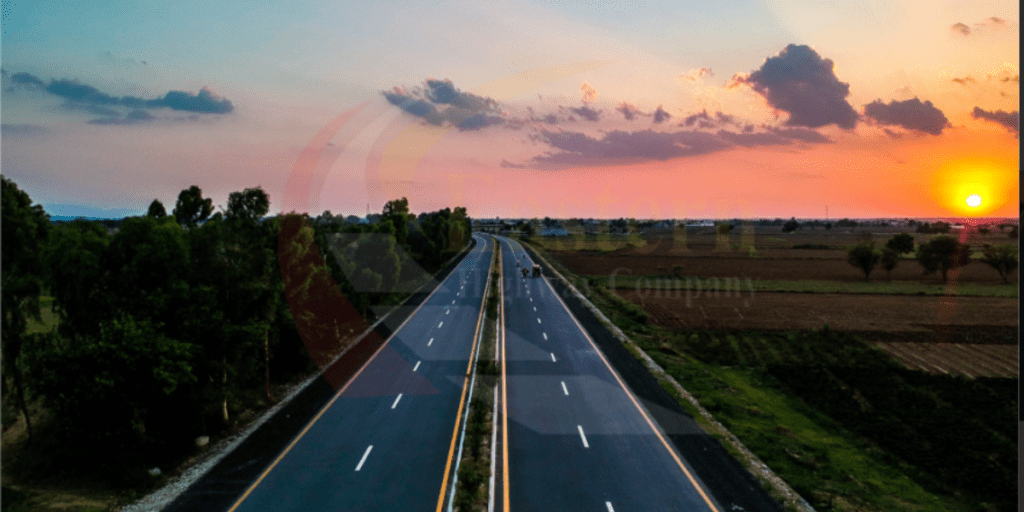
How lanes are allocated, marked, and managed has a direct impact on how efficiently a road handles traffic. Modern road design treats lane configuration as a dynamic tool rather than a fixed physical feature.
Managed Lanes and High-Occupancy Vehicle Lanes
Managed lanes are lanes whose access rules can change based on traffic conditions. High-Occupancy Vehicle (HOV) lanes are among the most widely used examples. These lanes are reserved for vehicles carrying two or more passengers, which encourages carpooling and reduces the total number of cars on the road.
In some cities, HOV lanes have evolved into High-Occupancy Toll (HOT) lanes, where solo drivers can pay a variable toll to access a less congested lane. The toll price rises as traffic increases, which automatically manages demand and keeps the lane flowing freely.
Dynamic Lane Reversal
Many roads carry very different traffic volumes in each direction depending on the time of day. A road leading into a city centre carries heavy inbound traffic in the morning and heavy outbound traffic in the evening. Dynamic lane reversal addresses this by changing the direction of one or more lanes at set times.
This technique is managed using overhead gantry signs that display red crosses or green arrows above each lane. Drivers can see in real time which lanes are open and in which direction. London’s Blackwall Tunnel approach roads use this system to double effective morning capacity without building any new infrastructure.
Dedicated Bus Lanes and Their Effect on Overall Traffic
Dedicating a lane exclusively to buses might seem like it reduces road capacity for private vehicles. The reality is more nuanced. A single bus carries an average of 40 to 60 passengers. A lane of private cars, by comparison, moves an average of 1.3 people per vehicle.
When buses run reliably and quickly, more people choose public transport. This reduces the total number of vehicles on the road network, which improves flow for everyone. Effective bus lane design therefore improves traffic flow not by moving cars faster, but by moving people faster and reducing car dependency over time.
Road Geometry and How Physical Design Shapes Traffic Behaviour
The physical shape of a road communicates directly to drivers. Curve radius, lane width, sight lines, and gradient all influence how fast drivers go and how they respond to merges, exits, and other vehicles. Modern road design uses geometry deliberately to produce safer and more efficient driving behaviour.
Lane Width and Its Counterintuitive Effects
Wider lanes do not always produce better traffic flow. Research consistently shows that very wide lanes encourage higher speeds, which increases the risk of severe accidents and can actually reduce effective capacity at intersections by creating longer stopping distances.
Modern urban road design often uses narrower lanes of around 3 to 3.2 metres rather than the traditional 3.5 to 3.7 metres. Narrower lanes calm speeds naturally, reduce the physical width of junctions, and allow more space for pedestrians, cyclists, and public transport without needing to widen the overall road corridor.
Merge Design and Weaving Sections
Merging zones are one of the most common sites of traffic breakdown. When two lanes of traffic need to merge into one, poor geometry forces drivers to brake sharply and creates the accordion effect, where a single slow vehicle triggers a wave of braking that propagates back through traffic for a long distance.
Modern design uses zipper merging layouts, where the merge point is clearly defined at the end of the lane rather than encouraging drivers to merge early. Studies by the Minnesota Department of Transportation found that zipper merging at a clearly marked end-point reduced backup lengths by up to 40% compared to early merging.
Continuous Flow Intersections
A Continuous Flow Intersection (CFI) is an advanced design that moves left-turn movements upstream of the main intersection. Left-turning vehicles cross oncoming traffic before reaching the junction, so when the main signal phase runs, left turns no longer conflict with through traffic. This allows the main green phase to last longer, which increases total throughput significantly.
CFIs have been shown to increase intersection capacity by 20% to 50% compared to conventional signalised junctions. They are particularly effective on arterial roads that carry high volumes of left-turning traffic during peak hours.
Intelligent Transport Systems and the Technology Behind Modern Traffic Management
Technology has become inseparable from modern road design. Intelligent Transport Systems (ITS) refer to the suite of digital tools, sensors, communication networks, and data platforms that allow road networks to be monitored and managed in real time.
Variable Message Signs and Real-Time Driver Information
Variable Message Signs (VMS) are electronic overhead boards that communicate live traffic information to drivers. They can display travel times to key destinations, warn of incidents ahead, advise on alternative routes, and impose temporary speed limits to smooth flow before a bottleneck.
When drivers receive accurate, timely information, they can make better decisions about their routes. This distributes traffic more evenly across the network and prevents the entire load from concentrating on a single road corridor. Research by Transport for London found that effective VMS deployment reduced journey time variability by up to 15% on motorway corridors.
Ramp Metering on Motorways and Freeways
Ramp metering controls the rate at which vehicles enter a motorway from an on-ramp using a small traffic signal at the ramp entry point. By releasing vehicles onto the motorway one at a time, ramp metering prevents the sudden surges of traffic that cause flow breakdown.
The Minnesota Department of Transportation conducted one of the most comprehensive studies on ramp metering in the world. When Minneapolis ramp meters were switched off for a trial period, traffic speeds dropped by 9% and accidents increased by 26%. When metering was reinstated, flow and safety both improved significantly.
Connected and Autonomous Vehicle Infrastructure
The next generation of road design is being built with connected and autonomous vehicles (CAVs) in mind. CAVs communicate with each other and with roadside infrastructure to coordinate speed, spacing, and lane changes without human input. This eliminates the reaction-time delays that human drivers introduce and allows vehicles to travel in tightly spaced platoons.
Theoretical models suggest that a fully autonomous motorway could carry three to four times as much traffic as a human-driven motorway at the same speed, simply by reducing the spacing between vehicles and eliminating driver error. While full autonomy is still years away from mainstream deployment, road designers are already incorporating the communication infrastructure that CAVs will eventually use.
Urban Road Design Principles That Reduce Congestion at the Source
Some of the most effective traffic flow improvements do not come from changing road geometry or installing sensors. They come from rethinking how urban areas are planned and how people get around them in the first place.
The Grid Street Network vs. the Cul-de-Sac Model
Post-war suburban development favoured cul-de-sac street networks, where residential streets feed into collector roads that then funnel onto arterials. This design concentrates all vehicle trips onto a small number of routes, creating severe congestion at key entry and exit points.
Modern urban planners increasingly favour permeable grid networks, where multiple parallel routes allow traffic to distribute itself naturally. When one route becomes congested, drivers have genuine alternatives available, and no single road becomes overwhelmed. Studies show that permeable street networks can reduce vehicle kilometres travelled by up to 20% compared to hierarchical cul-de-sac layouts.
Complete Streets and Multimodal Design
The Complete Streets philosophy argues that roads should serve all users safely and efficiently, not just private car drivers. A road designed only for cars forces every trip to become a car trip, which maximises vehicle volume and congestion.
A Complete Street provides safe and attractive infrastructure for pedestrians, cyclists, and public transport alongside car lanes. When people can realistically choose to walk, cycle, or take a bus, the number of private vehicle trips falls. This reduces the total traffic load on the road network and improves flow for the drivers who genuinely need to drive.
Key features of a Complete Street design include:
- Protected cycling lanes physically separated from vehicle traffic by a kerb or planted buffer
- Wide, continuous footpaths free from obstructions like parked cars or utility poles
- Bus stops positioned at the kerb edge to allow fast boarding and alighting without buses pulling into lay-bys
- Raised pedestrian crossings that slow vehicles naturally at key crossing points
- Street trees and landscaping that narrow the visual width of the carriageway and calm vehicle speeds
How Pedestrian and Cyclist Integration Actually Speeds Up Traffic
It might seem counterintuitive, but giving pedestrians and cyclists more space and better priority often results in faster overall traffic movement. The reason comes back to vehicle volume. Every person who walks or cycles to their destination is one fewer car on the road.
Pedestrian Scramble Crossings
A pedestrian scramble crossing, also called an all-way pedestrian phase, stops all vehicle traffic simultaneously and allows pedestrians to cross in any direction, including diagonally. This seems like it would delay vehicles, but it actually reduces overall cycle times at busy intersections.
At conventional crossings, pedestrians trigger separate signal phases that interrupt traffic repeatedly throughout the signal cycle. A scramble phase consolidates all pedestrian movements into one dedicated phase, freeing the remaining phases entirely for vehicle movement. Net vehicle throughput at scramble intersections is typically equal to or higher than at conventional crossings.
Cycle Tracks and Their Impact on Road Network Capacity
Protected cycle tracks that are properly separated from vehicle lanes remove cyclists from the main carriageway. This eliminates the friction between cyclists and motorists that slows both groups down. Drivers are no longer forced to slow behind cyclists or squeeze past them in narrow lanes.
Cities that have invested heavily in protected cycling infrastructure, have seen significant reductions in car traffic over time. Some cities have built 80 kilometres of protected cycle lanes between 2006 and 2010. Cycling modal share rose from 0.5% to 7%, and car traffic in the city centre fell noticeably.
Traffic Demand Management: Reducing Volume to Improve Flow
The most direct way to improve traffic flow is to reduce the number of vehicles using the road at the same time. Traffic demand management (TDM) is the set of strategies that achieve this without necessarily building new infrastructure.
Congestion Pricing
Congestion pricing charges drivers a fee to use roads in high-demand areas during peak hours. The fee discourages discretionary trips during the busiest periods, which reduces peak-hour traffic volumes and smooths out the demand curve over the day.
London introduced its Congestion Charge Zone in 2003. Traffic entering the zone fell by 30% in the first year, and average speeds inside the zone improved by 37%. The scheme also generated revenue that was reinvested into public transport improvements, creating a positive feedback loop that further encouraged modal shift away from private cars.
Stockholm adopted a similar scheme in 2007 following a trial period. Traffic reduction during the trial was so significant that Stockholm residents voted to keep the scheme permanently. Vehicle volumes in the city centre remain 20% lower than pre-charge levels.
Surface Design, Drainage, and Pavement Quality in Modern Roads
Traffic flow is not only affected by how roads are planned at a macro level. The physical quality of the road surface itself has a direct impact on how smoothly and safely vehicles can travel.
Noise-Reducing and High-Friction Surface Treatments
Modern road surfaces use engineered aggregate mixes that provide higher friction for braking, reduce road spray in wet conditions, and lower tyre noise. High-friction surfaces are particularly important at locations where vehicles need to stop reliably, such as approaches to junctions, pedestrian crossings, and sharp bends.
Better grip means shorter stopping distances. Shorter stopping distances mean vehicles can travel closer together at safe intervals, which increases the effective capacity of the road. Wet weather accidents also fall significantly on high-friction surfaces, and fewer accidents mean fewer incidents that disrupt traffic flow.
Permeable Paving and Road Drainage
Standing water on road surfaces is a significant hazard that forces drivers to slow down, reduces tyre friction, and causes aquaplaning at higher speeds. Modern road design incorporates permeable paving materials and carefully engineered drainage channels that remove surface water rapidly.
Permeable asphalt allows water to drain through the surface layer directly, eliminating pooling entirely on the driving surface. This keeps vehicle speeds consistent during rainfall, which maintains flow and reduces the weather-related slowdowns that frequently appear on poorly drained older roads.
How Engineers Measure Whether Road Design Is Actually Working
Building a better road is only half the job. Understanding whether it actually performs as intended requires careful measurement and ongoing monitoring. Modern road design is supported by a growing suite of data collection tools that allow engineers to assess performance continuously.
Key performance metrics in modern traffic management include:
- Average travel time: How long it takes to travel a fixed distance under current conditions compared to free-flow conditions.
- Travel time reliability: How consistently a journey takes the same amount of time from day to day. Unreliable journey times are often a greater source of frustration than slow but predictable journeys.
- Vehicle throughput: The number of vehicles passing a fixed point per hour. This measures whether a road is moving more or fewer vehicles after a design change.
- Accident frequency and severity: Traffic safety and flow are closely linked. Fewer accidents mean fewer incidents that disrupt flow and create secondary congestion.
- Emissions and fuel consumption: Smoother, more consistent traffic flow reduces fuel consumption and emissions compared to stop-start congestion, which is both an environmental and an economic benefit.
Final Words – How Modern Road Design Improves Traffic Flow
Modern road design improves traffic flow through a combination of smarter geometry, better technology, and a deeper understanding of how people actually behave on roads. No single technique solves congestion on its own. The most effective results come when multiple strategies are applied together as part of a coherent, data-informed transport plan.
The days of simply widening roads and adding more signals are firmly behind us. Today’s road engineers draw on traffic flow science, behavioural economics, urban planning principles, and digital technology to design roads that work harder with what they already have.
The results speak for themselves. Cities that have embraced modern road design principles consistently report reductions in journey times, improvements in safety, lower emissions, and higher levels of public satisfaction with their transport networks. The road ahead, quite literally, is one that is smarter, more efficient, and built around the needs of everyone who uses it.
Frequently Asked Questions
How does modern road design improve traffic flow?
Modern road design improves traffic flow by reducing conflict points at intersections, using adaptive signal systems, applying smart lane management, and integrating digital monitoring tools that allow real-time adjustments to how roads are managed.
Are roundabouts better than traffic lights for traffic flow?
At intersections with balanced traffic from all directions, roundabouts generally outperform traffic signals for both flow and safety. They reduce vehicle conflict points from 32 to 8 and eliminate stop phases entirely. At heavily unbalanced junctions, signals with dedicated phases can sometimes manage peak loads more effectively.
What is an Intelligent Transport System?
An Intelligent Transport System (ITS) is a network of sensors, cameras, communication links, and software platforms that collect real-time traffic data and use it to manage road conditions dynamically. Examples include adaptive signal control, variable message signs, and ramp metering.
Does adding more lanes reduce traffic congestion?
Not reliably. The phenomenon of induced demand means that new lanes attract more vehicles over time, often returning congestion to similar levels within a few years. Long-term flow improvements tend to come from demand management, smarter junction design, and better public transport rather than from capacity expansion alone.
How do cycle lanes help car traffic move faster?
Protected cycle lanes remove cyclists from the main carriageway, eliminating the speed friction between cyclists and drivers. They also encourage more people to cycle rather than drive, which reduces total vehicle volume on the road. Fewer cars produce faster and more reliable journey times for those who do need to drive.