

Table of Contents
TogglePaint for Road Marking - Types, Uses & How Quality Plays a Role
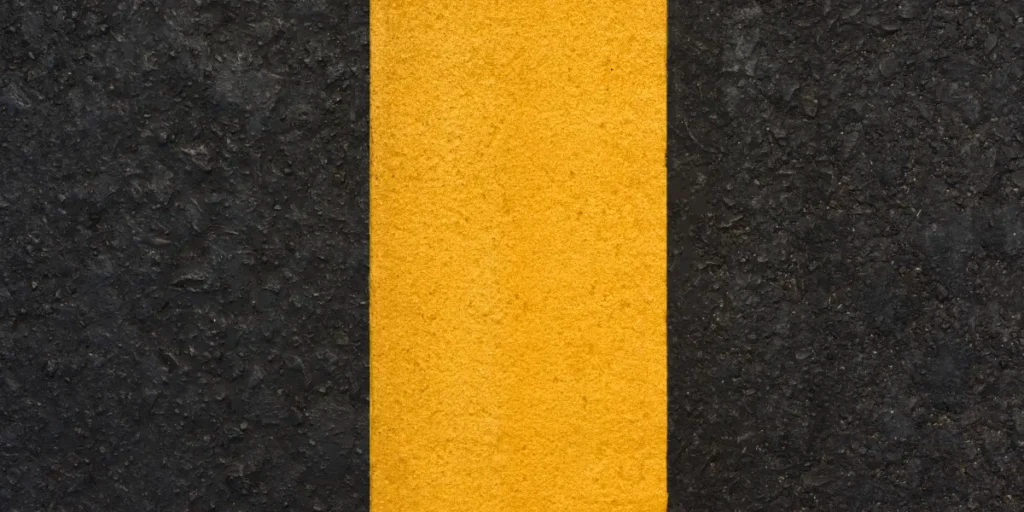
Paint for road marking is used to create visible lines, symbols, and guidance on road surfaces. These markings help drivers understand lane positions, turning points, and traffic movement. Clear markings support smooth traffic flow and reduce confusion.
Road safety studies consistently show that road markings play a functional role in traffic management.
According to transportation research data, clear and well-maintained road markings can improve driver response time by up to 20%, particularly during night driving and low-visibility conditions.
This places road marking paint among the core elements of road infrastructure, rather than surface-level finishing.
Road markings are one of the most cost-effective traffic safety tools when properly designed and maintained.
What Is Paint for Road Marking?
Paint for road marking is a specialized coating applied to asphalt and concrete surfaces. It is used to mark lanes, pedestrian crossings, road edges, arrows, and traffic symbols.
This paint is different from regular decorative or industrial paint. It is engineering for performance. It is used on roads to handle constant vehicle movement, weather exposure, and surface wear. Road marking paint must dry quickly, bond firmly to the surface, and retain color over time.
The primary purpose of paint for road marking is visual guidance. It helps drivers stay within lanes, judge distances, and understand road boundaries. At night, reflective elements within the paint improve visibility under vehicle headlights.
Road marking paint is applied across highways, urban roads, parking areas, industrial zones, and airport runways. The selection of paint depends on traffic volume, surface condition, and expected service life.
Why Paint Quality Matters in Road Marking
Paint quality directly affects the lifespan and visibility of road markings. Roads experience constant stress from traffic loads, temperature variation, and environmental exposure. Low-quality paint fades or deteriorates quickly under these conditions.
High-quality road marking paint provides stronger adhesion to the road surface. This helps markings remain intact under heavy traffic and reduces cracking or peeling. Strong adhesion also limits surface damage during use.
Visibility is another key factor. Quality paint retains brightness and works effectively with reflective materials. This improves night-time visibility and performance during rain or fog.
Maintenance costs are also influenced by paint quality. Durable paint lasts longer and reduces repainting frequency.
Studies indicate that long-life marking systems can reduce maintenance costs by 30–40% over time, compared to short-life coatings.
The durability of road markings has a direct impact on both safety outcomes and long-term maintenance budgets.
Uses of Paint for Road Marking
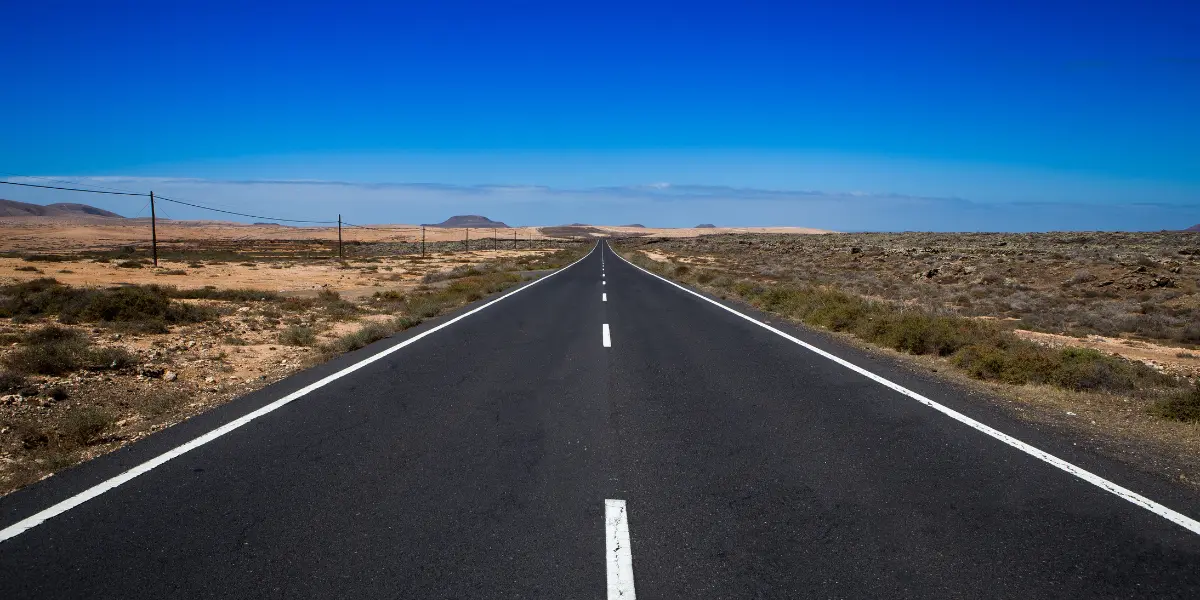
Paint for road marking is used across different road environments to guide traffic, reduce confusion, and improve road organization. Each application serves a specific purpose and supports safe movement for both drivers and pedestrians.
Lane Markings
Lane markings are used to separate traffic moving in the same or opposite directions. They help drivers maintain proper lane discipline and reduce the risk of sudden lane changes. Clear lane markings are especially important on high-speed and multi-lane roads.
Center Lines and Edge Lines
Center lines divide opposing traffic flows, while edge lines define the road boundary. These markings help drivers judge road width and stay within safe driving limits. They are critical on narrow roads and during low-visibility conditions.
Pedestrian Crossings
Pedestrian crossings are marked to indicate safe walking zones for pedestrians. These markings alert drivers to slow down and yield at designated crossing points. High visibility is essential in urban and school areas.
Directional Arrows and Road Symbols
Directional arrows and symbols provide clear instructions on turns, lane usage, and traffic rules. They help drivers make timely decisions, especially at intersections and complex road layouts. These markings reduce last-minute maneuvers and traffic congestion. Indicate turning directions, lane usage, speed limits, and warnings.
Uses in Specific Areas
Paint for road marking is used in many areas and on different types of roads for safety road markings.
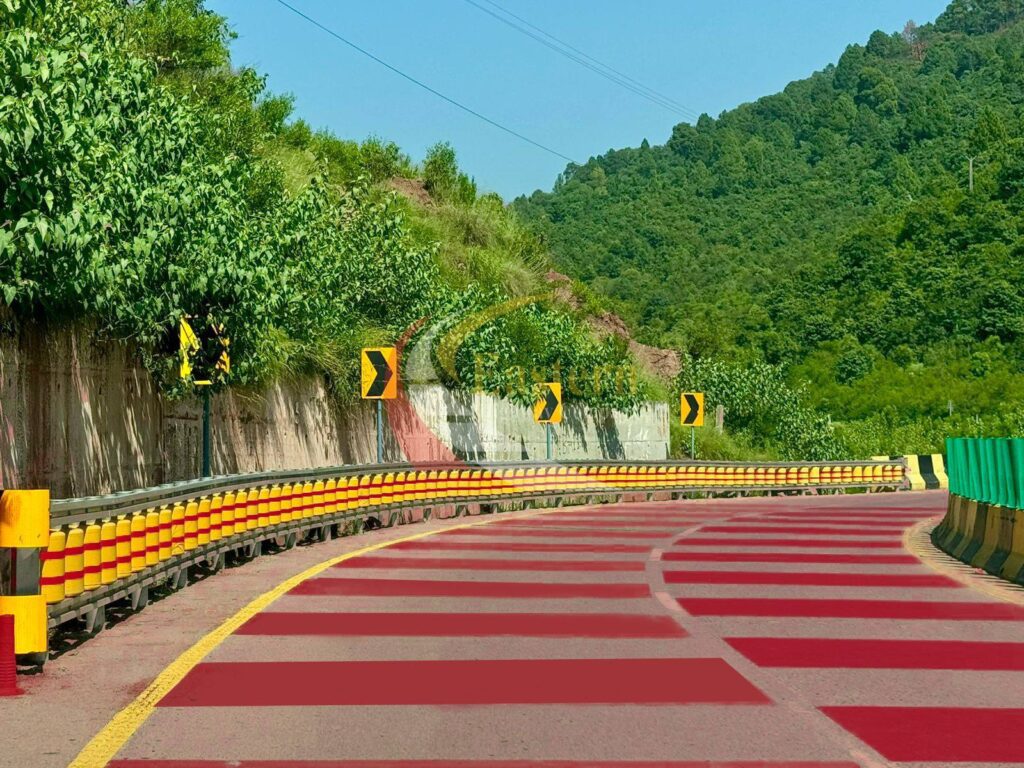
- It is used on highways and motorways for road marking supports lane separation, edge definition, and long-distance guidance on high-speed roads.
- On urban roads and intersections, the paint is used to draw markings to manage traffic flow, mark stop lines, and guide vehicles through junctions and roundabouts.
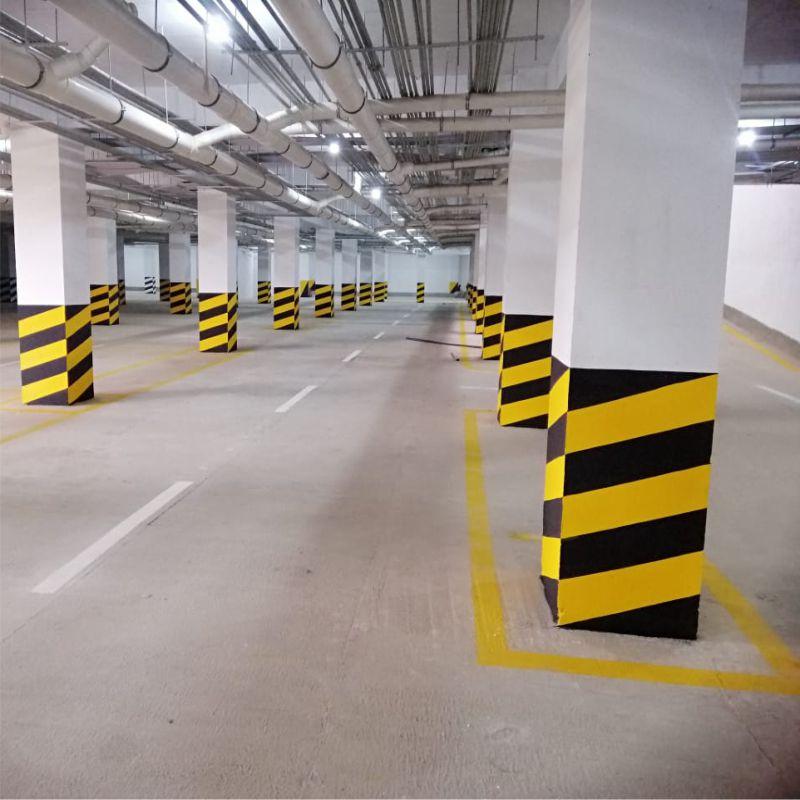
- Road marking paint is used on parking lots to mark parking bays, entry and exit routes, restricted areas, and accessible parking.
- Industrial zones, including warehouses, loading docks, and factory roads,it is used to guide vehicle and pedestrian movement.
- Applied on runways and taxiways for improved visibility and specifying the locations.
Types of Paint for Road Marking
Different road conditions require different types of road marking paint. Each type is designed for specific traffic loads, surface conditions, and durability needs.
Thermoplastic Road Marking Paint
Thermoplastic paint is applied in a heated, molten form. It hardens quickly after cooling and forms a thick, durable layer. This type is commonly used on highways and motorways due to its long lifespan and strong night-time visibility. Also know the difference between the thermoplastic paint vs ordinary paint!
Water-Based Road Marking Paint
Water-based paint uses water as a solvent. It dries quickly and is more environmentally friendly. This type is often used on city roads, parking areas, and low to medium-traffic zones.
Solvent-Based Road Marking Paint
Solvent-based paint offers strong adhesion and good resistance to weather conditions. It performs well on busy roads but contains higher VOC levels compared to water-based options.
Cold Plastic Road Marking Paint
Cold plastic paint is applied without heating. It provides excellent durability and skid resistance. This type is suitable for high-wear areas such as intersections and pedestrian crossings.
Epoxy Road Marking Paint
Epoxy paint creates a hard and long-lasting surface. It is commonly used in industrial areas, warehouses, and airport zones where chemical resistance and durability are required.
Performance Features of Road Marking Paint
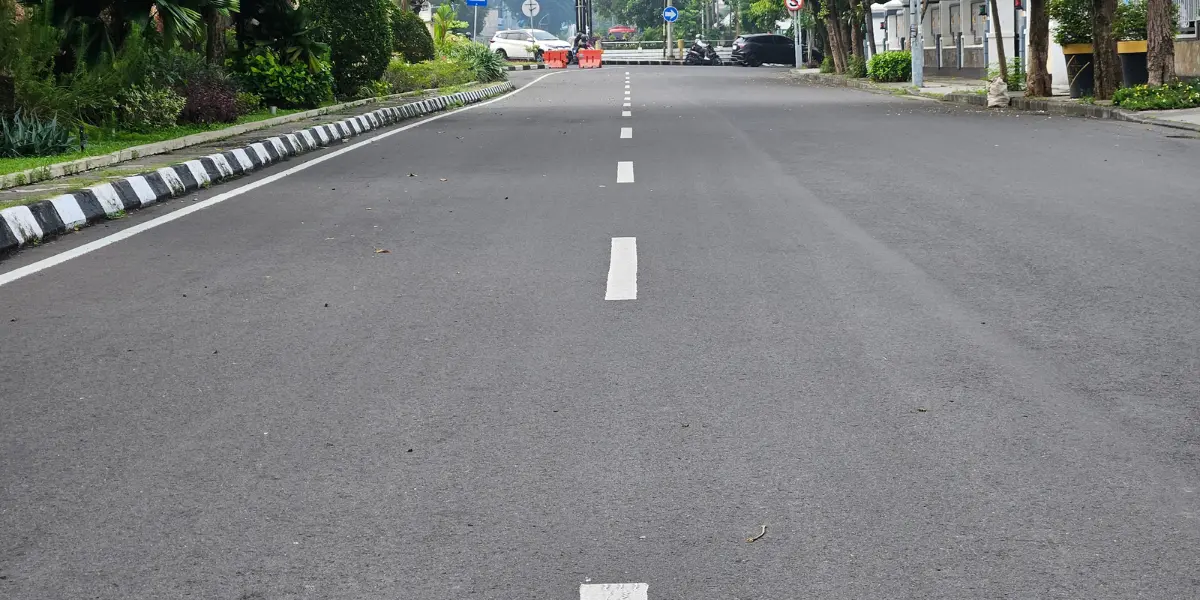
The performance of road marking paint depends on how well it handles traffic, weather, and visibility needs. The following features define the quality of paint for road marking.
Durability and Wear Resistance
Road marking paint must withstand continuous vehicle movement and surface friction. High durability helps markings stay intact for longer periods.
Visibility and Color Retention
Clear and bright colors improve daytime visibility. Good-quality paint maintains its color and does not fade quickly under sunlight exposure.
Night-Time Reflectivity
Reflective elements, such as glass beads, improve visibility at night. This feature helps drivers see markings clearly under headlights.
Adhesion to Road Surface
Strong adhesion ensures the paint bonds well with asphalt or concrete. This reduces peeling, cracking, and early failure.
Weather Resistance
Road marking paint must perform well in heat, rain, and humidity. Weather-resistant paint prevents rapid deterioration.
Drying and Curing Time
Fast drying allows roads to reopen quickly after application. Proper curing ensures long-term performance and durability.
Final Words
Paint for road marking must meet functional and performance requirements. Traffic volume, surface type, and environmental conditions determine how markings behave over time. Selecting the appropriate paint helps maintain visibility and reduces the need for frequent maintenance.
Road marking performance depends on material quality and correct application. When these factors are aligned, markings remain consistent and reliable across different road environments.
Frequently Asked Questions
What is paint for road marking used for?
Paint for road marking is used to create lines, symbols, and guidance on road surfaces. These markings help manage traffic flow, define lanes, and improve visibility for drivers and pedestrians.
How long does road marking paint last?
The lifespan of road marking paint depends on the paint type, traffic volume, and weather conditions. Thermoplastic and cold plastic paints can last several years, while water-based paints may require more frequent reapplication.
What type of paint is best for highways?
Thermoplastic road marking paint is commonly used on highways. It offers high durability, strong adhesion, and better night-time visibility under heavy traffic conditions.
Is road marking paint reflective?
Yes, most road marking paint is designed to be reflective. Glass beads are often added to the paint to improve visibility at night by reflecting vehicle headlights.
How does paint quality affect road safety?
High-quality paint maintains visibility and durability for a longer period. Clear and reflective markings help drivers respond faster, especially in low-light and poor weather conditions.
Is water-based road marking paint environmentally friendly?
Water-based road marking paint has lower VOC emissions compared to solvent-based options. It is considered more environmentally friendly and is often used in urban areas.
How quickly does road marking paint dry?
Drying time varies by paint type. Water-based paints dry quickly, while thermoplastic paint sets almost immediately after cooling. Proper curing is important for long-term performance.